Introduction
When powder feeding becomes unstable, many engineers assume that the feeder is the problem. However, changes in powder properties can also affect feeding performance.
One often-overlooked factor is oxidation. When powders are exposed to oxygen or moisture, their characteristics may change, leading to unstable feed rates, poor flowability, and even product quality issues.
This is particularly important for metal powders, battery materials, catalysts, and specialty chemicals.
Common Problems Caused by Oxidation
Unstable Feed Rates
Many screw feeders operate on a volumetric basis. If oxidation changes the bulk density of the powder, the actual mass flow rate can change even when the screw speed remains constant.
As a result, operators may experience:
- Reduced dosing accuracy
- Feed rate fluctuations
- Frequent adjustments to operating conditions
This becomes especially critical in low-rate feeding applications.
Reduced Powder Flowability
Oxidation can also change the surface condition of powder particles.
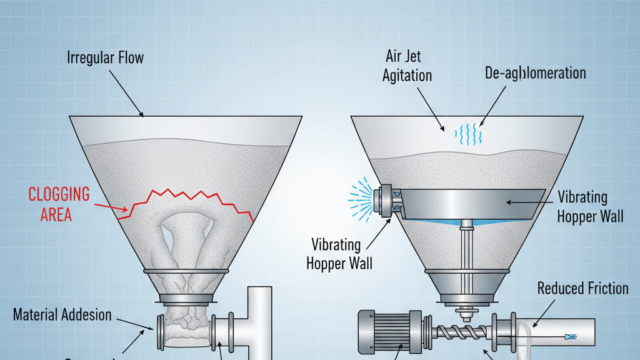
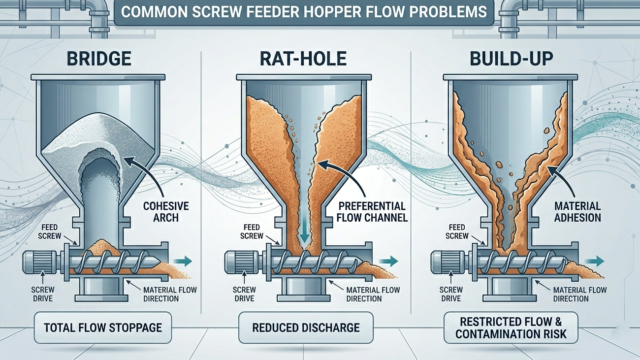
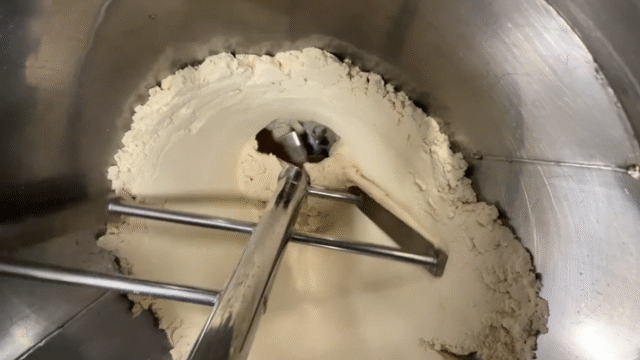
As particles become more cohesive, powders may not flow as intended.
Typical problems include:
- Bridging
- Ratholing
- Inconsistent screw filling
- Hopper discharge issues
Even a well-designed feeder can struggle if the powder properties change significantly.
Product Quality Issues
In some applications, oxidation affects not only feeding performance but also the final product.
Examples include:
- Battery materials
- Metal powders
- Catalysts
- Specialty chemicals
For these materials, maintaining a controlled atmosphere during feeding can be essential for product quality and process stability.
Why Standard Feeders May Not Be Enough
In a conventional feeder, oxygen and moisture can enter through openings, connections, or the hopper itself.
When powders remain inside the feeder for extended periods, continuous exposure to air may gradually change their properties.
In addition, when feeding into closed or pressurized equipment, gas movement can increase contact between the powder and surrounding air.
For oxygen-sensitive materials, these conditions may lead to unstable operation and inconsistent product quality.
How Air Purging Helps
One effective solution is to maintain a controlled atmosphere inside the feeder using air or nitrogen purging.
By continuously supplying purge gas, oxygen and moisture exposure can be reduced.
Benefits may include:
- More stable powder characteristics
- Improved flowability
- Consistent feed rates
- Reduced risk of contamination
- Better product quality
Nitrogen purging is commonly used when handling highly oxidation-sensitive materials.
Example of a Purged Feeder Design
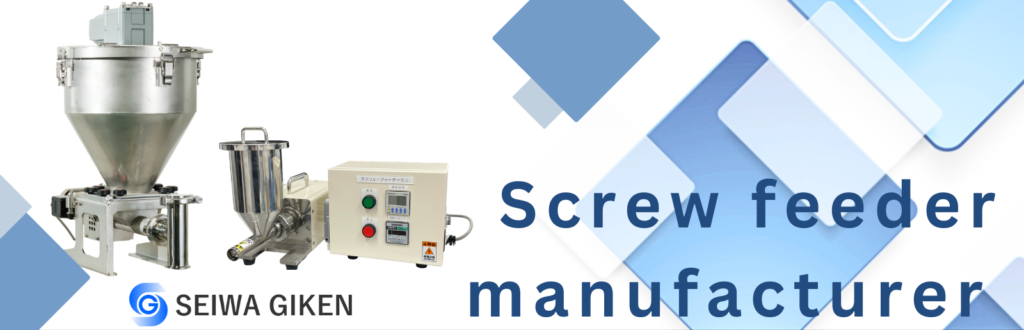
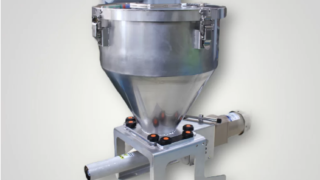
To support applications that require atmosphere control, our feeder incorporates two key features.
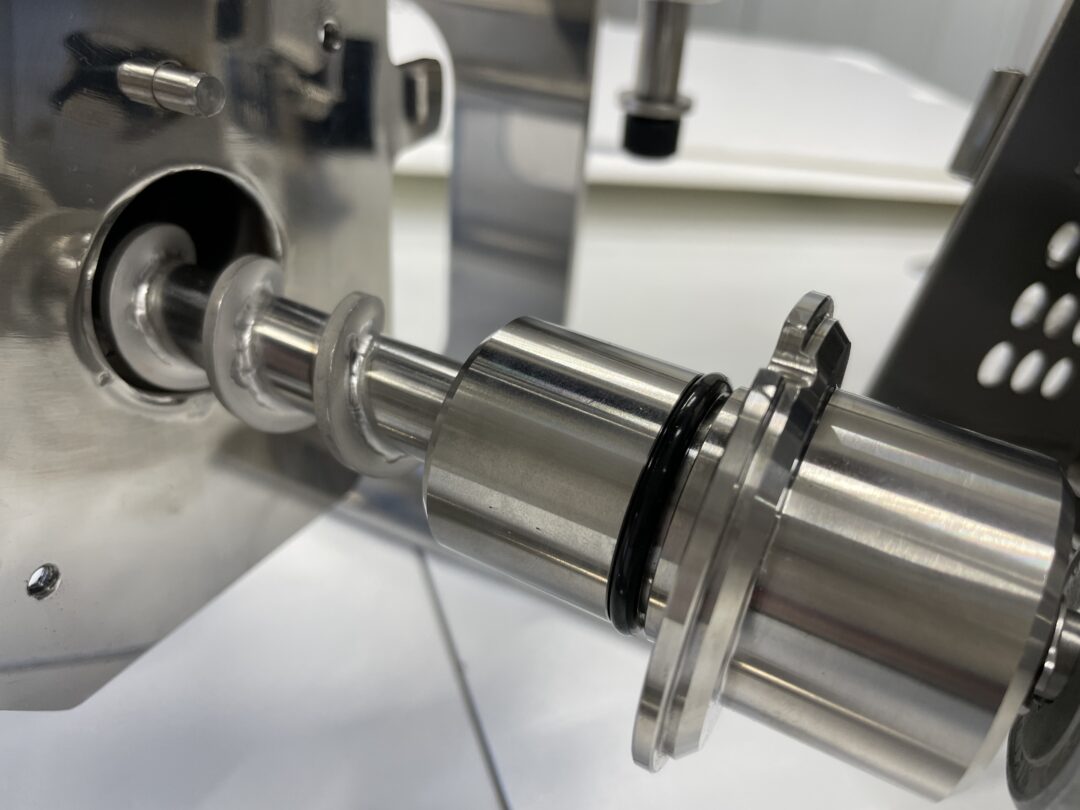
Sealed Shaft Structure
A sealing structure is installed around the screw shaft to help minimize the ingress of external air.
This helps maintain a more stable internal environment and reduces exposure of sensitive powders to oxygen and moisture.
Purge Port on the Hopper Lid
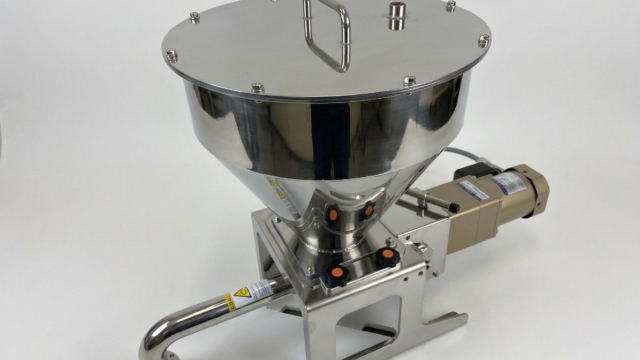
The hopper lid is equipped with a purge port for air or nitrogen supply.
By introducing purge gas into the hopper, a controlled atmosphere can be maintained inside the feeder during operation.
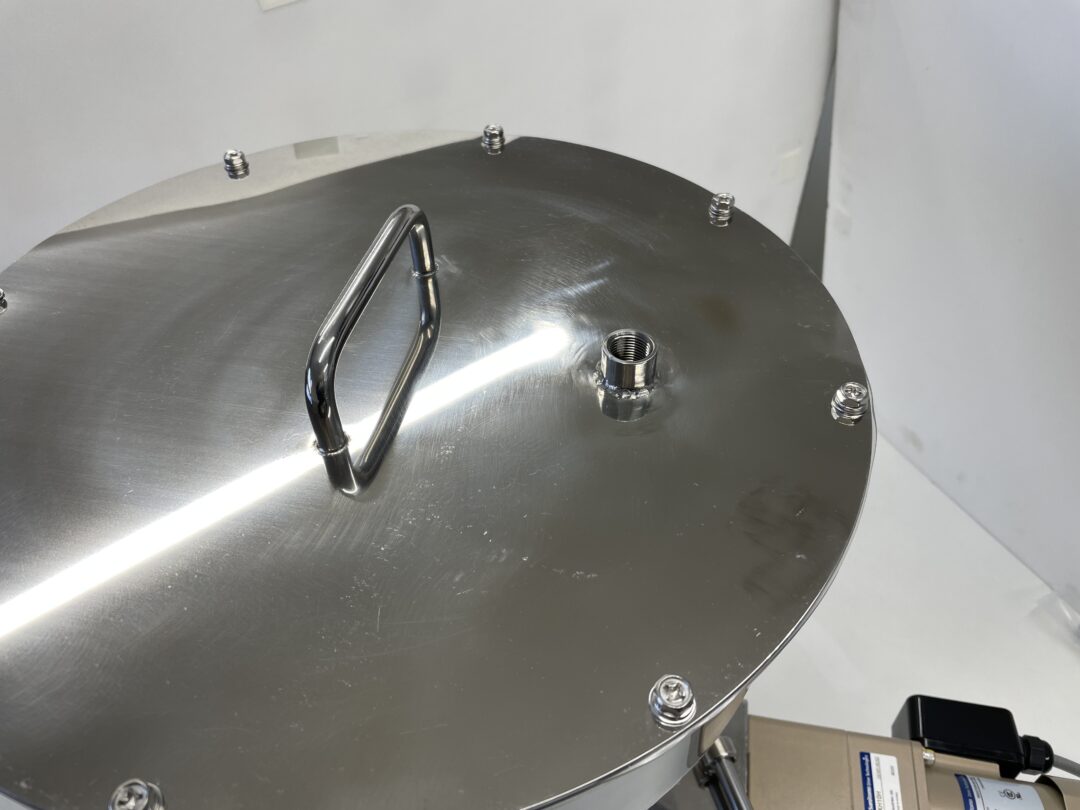
Together, these features help reduce oxidation risks and support stable feeding performance.
producs page:https://seiwag-us.com/screw-feeder/versatile/
Conclusion
Oxidation can affect more than just product quality. Changes in bulk density and flowability may also lead to unstable feed rates and powder handling problems.
For oxygen-sensitive materials, maintaining a controlled atmosphere during feeding can help preserve powder characteristics and improve process consistency.
Features such as a sealed shaft structure and purge gas port provide practical solutions for reducing oxidation and supporting reliable powder feeding.